Would a zookeeper pass the way we live?
When a polar bear swam in figure eights, the zoo inspected his life. Scored the same way, the places people live and work fail on 17 of 18 measures.
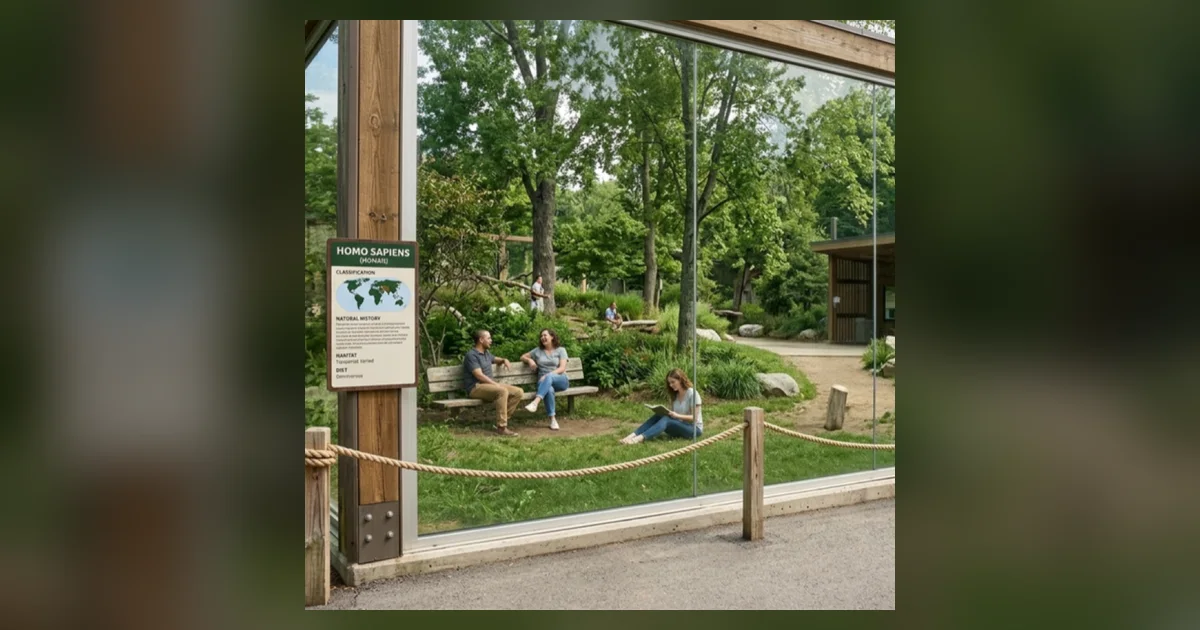
Cover of The Human Enclosure (Omxus Press)
8 min read
 articleworld4u
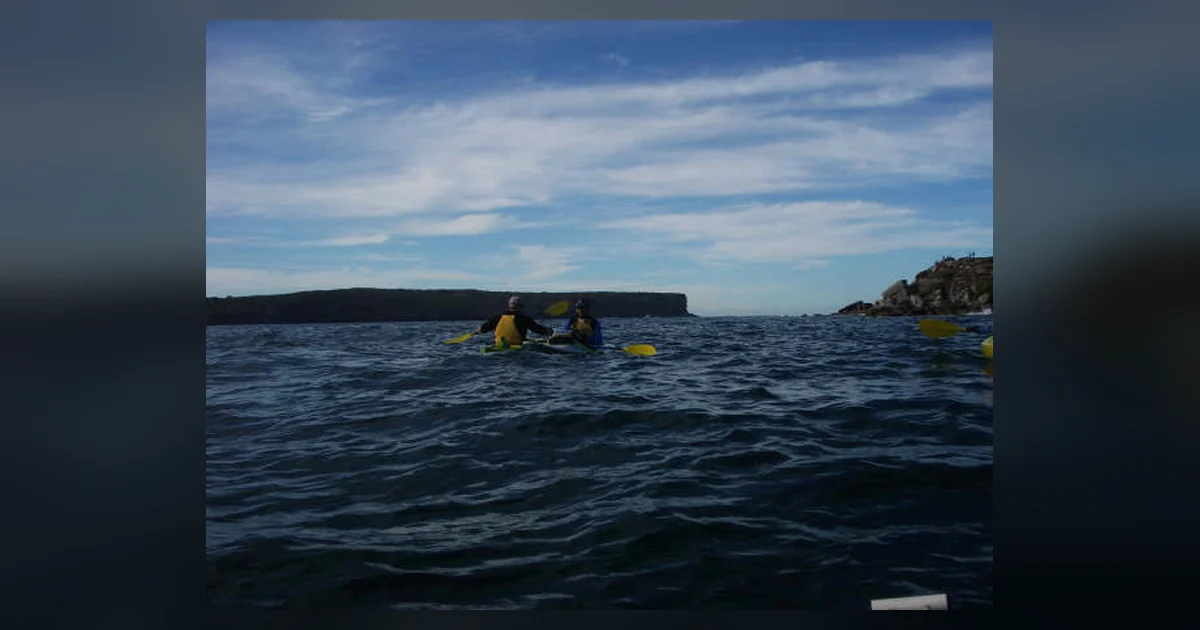
Photo: A. C. Applebee
In 1982 the head of Japan's Forestry Agency told a country working itself to exhaustion to take a bath in the forest. Forty years of research say he was right: time among trees lowers blood pressure, and about two hours a week in nature goes with better health.
Nobody needs a study to feel what this water does. We got the studies anyway.
Japan was deep in its rush of industrial growth, and people were working themselves sick. So Akiyama Tomohide, Director-General of the Forestry Agency, proposed shinrin-yoku: forest bathing (Hansen et al., 2017). Most officials in that position would have written a report. Akiyama told people to go for a walk.
He didn't invent a new habit. He named an old one. Japanese already has words for bathing in a hot spring, in the sea and in the sun, and in a country where a long soak is how you restore yourself at the end of a day, "go and bathe in the forest" needed no explaining. The forest was close, too, and already sacred: about two-thirds of Japan is forest (Food and Agriculture Organization, 2020), and Ise Grand Shrine is rebuilt from cypress every 20 years (Jingu Administration Office, n.d.). A people who renew their holiest building from living trees found it natural to treat the trees as care.
So a forestry official prescribed a walk before the science caught up. The studies followed.
Two years later, on the other side of the world, the environmental psychologist Roger Ulrich went through ten years of records from a suburban hospital in Pennsylvania. Between 1972 and 1981, patients recovering from gallbladder surgery were assigned to similar rooms. Some windows looked out on trees. Others faced a brick wall.
Ulrich compared 23 patients with the tree view against 23 matched patients with the wall. The tree-view group went home sooner, took fewer strong painkillers, and drew fewer negative comments in the nurses' notes (Ulrich, 1984). Nobody walked in a forest. They only looked at one, and the effect showed up in the hard numbers: days in hospital and doses of pain relief.
| Study | Who | What it found |
|---|---|---|
| Ulrich, 1984 | 46 surgery patients, Pennsylvania | A view of trees: shorter stays, fewer strong painkillers |
| Ideno et al., 2017 | 20 trials, 732 people | Blood pressure, both systolic and diastolic, lower in forests than in other settings |
| White et al., 2019 | 19,806 adults, England | 120 minutes a week or more in nature: more likely to report good health and high wellbeing |
The English study is the most useful for everyday life. People who spent 120 to 179 minutes in nature in the past week were about 1.6 times as likely to report good health as people who spent none. The benefit started at two hours, levelled off at 200 to 300 minutes, and held for older people and for people with long-term health conditions. It didn't matter whether the two hours came as one long walk or several short ones (White et al., 2019).
The researchers also allowed for how green a person's neighbourhood was, along with other personal and local factors. So the finding isn't just that people who live near parks tend to be better off.
The solid part is modest and consistent: a calmer heart, lower blood pressure, and better health among people who get outside regularly.
Parks Victoria took the idea seriously enough to build a programme on it. Healthy Parks Healthy People treats parks as places for health, not only recreation, and it has grown into what Parks Victoria calls "a global movement" (Parks Victoria, 2026). An ordinary state park service looked at the evidence and decided a walk in the bush is part of health care. Japan's forestry official would recognise it.
Most of us spend our days under fluorescent light, feeling vaguely wrong and calling it normal. This is cheap, and nobody can sell it to you.
Two hours a week. Trees will do, or water.
When a polar bear swam in figure eights, the zoo inspected his life. Scored the same way, the places people live and work fail on 17 of 18 measures.
Cover of The Human Enclosure (Omxus Press)
In 2008 Denmark began paying night workers with breast cancer. Sleep advice still blames your habits. In a US sample, the job predicts who sleeps too little.

Cover of The Stolen Night (Omxus Press)
Twenty years of American time diaries show young people's time with friends fell from 137 minutes a day to 51, and the hours went to being alone.

Art: Omxus Press