Home a/work $ a/work Money and work. Hours, wages, meaningless jobs, housing and who owns what.
In big German firms, staff elect half the board. Since 1976 that's the law. What it changed, what it cost, and why Australia has nothing like it.
Photo: Roger Wollstadt, CC BY-SA 2.0, via Wikimedia Commons
Keynes predicted a 15-hour week by 2030. David Graeber blamed pointless jobs. What the studies found, and why the paperwork still matters.
Photo: author unknown, Public domain, via Wikimedia Commons
Since 1987 the workforce doubled while manager, program and HR jobs grew four times over and secretaries halved. The ABS numbers, and why it happens.
Photo: Missionedit, CC BY-SA 4.0, via Wikimedia Commons
Worker-owned firms last longer and match ordinary firms on productivity. Mondragon in Spain has 70,000 people. Australia has 1,800 co-ops of its own.
Photo: Zarateman, CC0, via Wikimedia Commons
Danish bosses can let people go easily. Workers keep up to 90% of their pay and get help into the next job. How it works, what it costs, and what Australians get.
Photo: Leif Jørgensen, CC BY-SA 4.0, via Wikimedia Commons
More than half of Vienna lives in city-owned or subsidised homes, paid for by a small tax on every wage. How it started in 1919, and what it costs.
Photo: Thomas Ledl, CC BY-SA 4.0, via Wikimedia Commons
Australian households hold $19.4 trillion. What if we paid off the debt, funded the government for five years, and took a break to think?
Photo: Martin Kingsley from Melbourne, Australia, CC BY 2.0, via Wikimedia Commons
Most Australians hold disability cover inside super without choosing it. One test refused 60% of claims. How to find out which one you have.
Alaska, Finland, Kenya, Stockton and a US trial paid cash with no conditions. What changed in work, health and children's lives.
Photo: Fiona Graham, CC BY-SA 2.0, via Wikimedia Commons
A permanent home first, no conditions, support offered. What trials in New York, Canada and Finland found, and what they didn't.
Photo: Beyond My Ken, CC BY-SA 4.0, via Wikimedia Commons
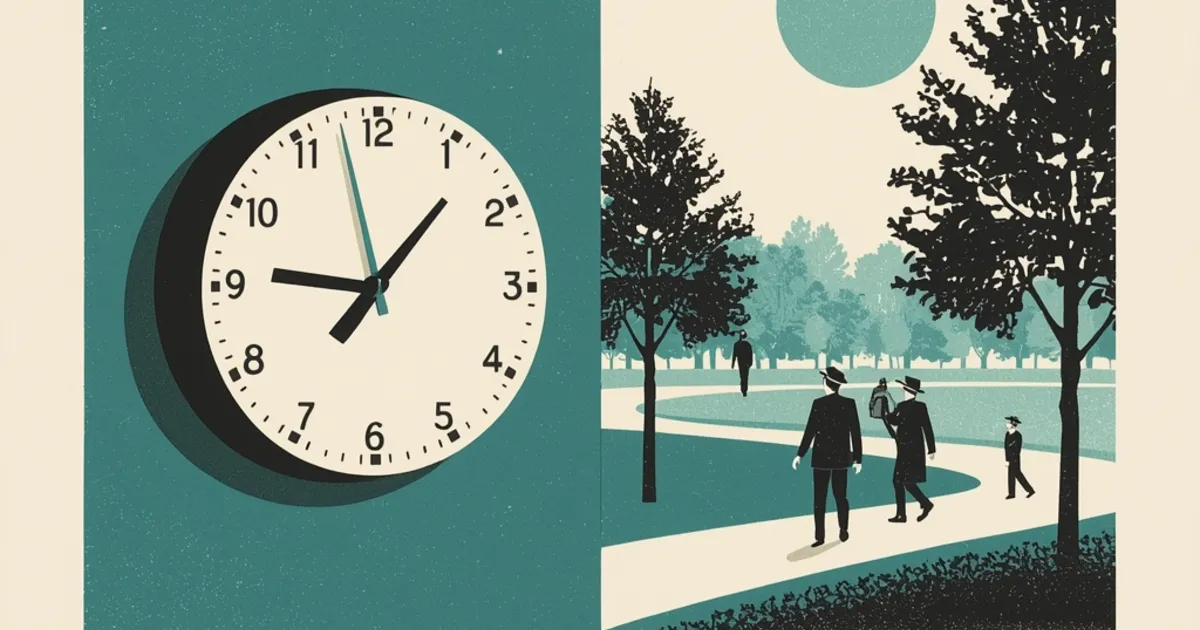
Iceland, the UK and a six-country study cut hours without cutting pay. What happened to burnout, health and output, and what's overstated.
Photo: CharlotteLockhart, CC BY-SA 4.0, via Wikimedia Commons
Nothing matches that.





.jpg)