A dye left lipstick in 1990 and stayed in children's food for 35 more years. In food, the burden of proof runs backwards. It could run the other way.
Art: Omxus Press
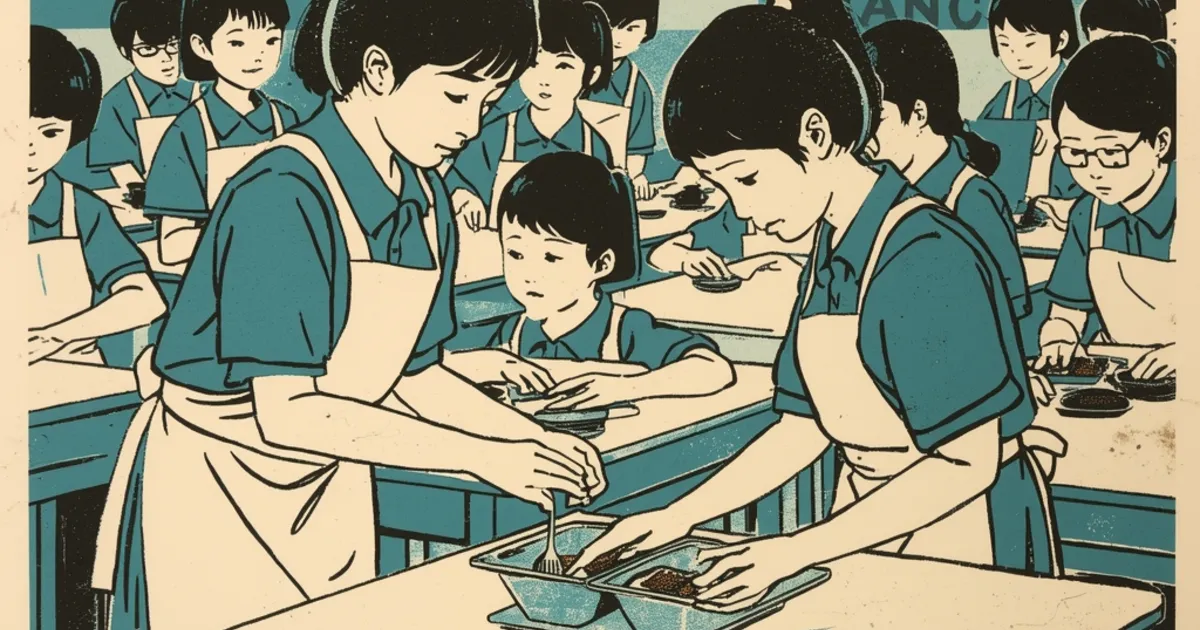
In Japan, lunch is a lesson: a hot meal planned by a dietitian, served by the children to each other. Australia is starting to try it.
Photo: Douglas P Perkins, CC BY 3.0, via Wikimedia Commons
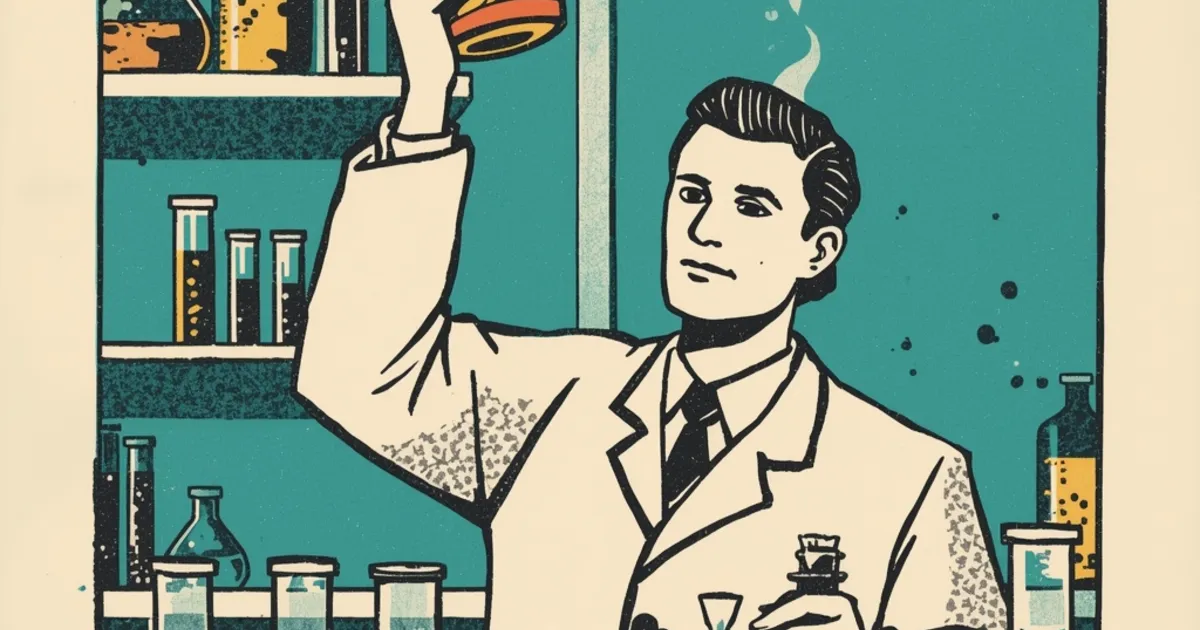
In the US, a company can declare its own additive safe and tell no one. How the checks work in the US, the EU and Australia, and where they fail.
Photo: Sokolikmawwer0, CC BY-SA 3.0, via Wikimedia Commons
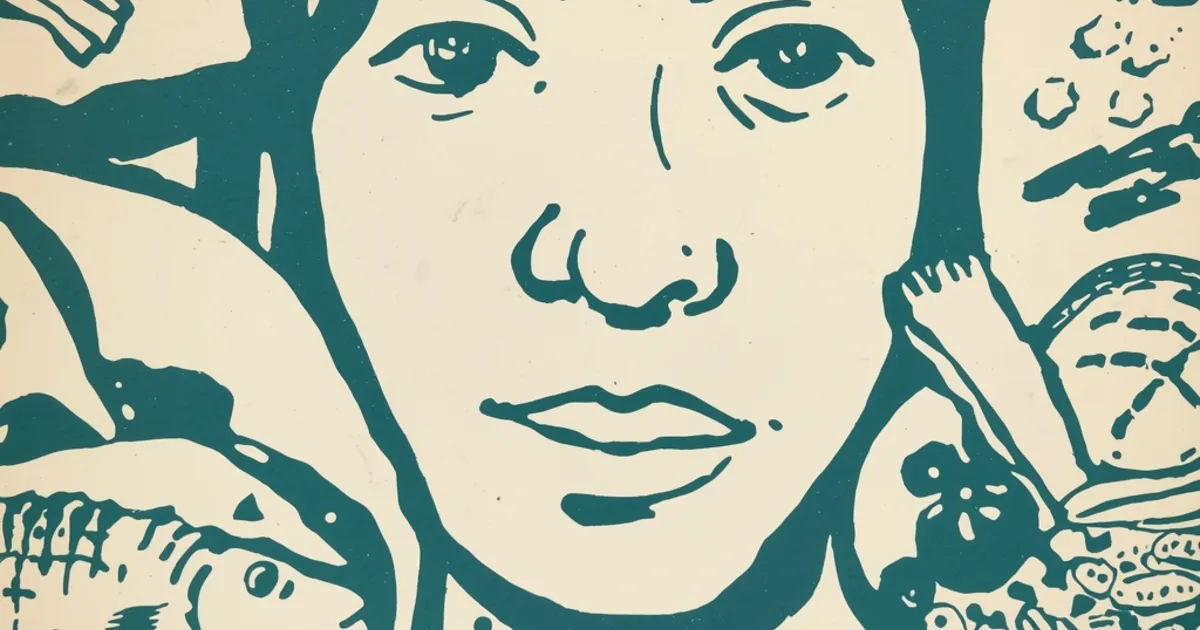
Doctors on Kitava found no stroke or angina. Among the Tsimane of Bolivia, 85% of older adults have clean arteries. What they share, and what it means.
Photo: Luis Enrique Poggi Montalvo, CC BY-SA 4.0, via Wikimedia Commons
Two island peoples with no acne, a trial of low-GI eating and a meta-analysis on milk. What the evidence shows, how strong it is, and what to try.
Photo: NIAID, CC BY 2.0, via Wikimedia Commons
Nothing matches that.