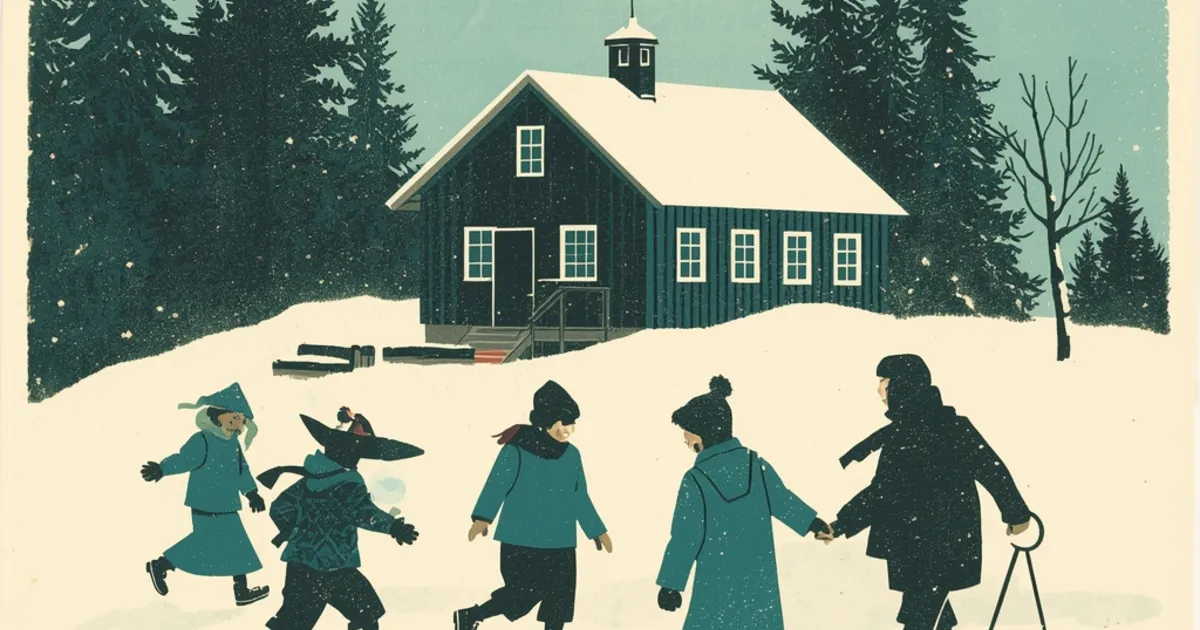
School at seven, a break after every lesson, no test that ranks schools, and teachers with master's degrees. What Finland does, and what its falling scores mean.
Photo: Leo-setä, CC BY 2.0, via Wikimedia Commons
Puberty moves the body clock later, and early bells cut teenagers' sleep. When Seattle started an hour later, students slept 34 minutes more.
Photo: Guywelch2000, CC0, via Wikimedia Commons
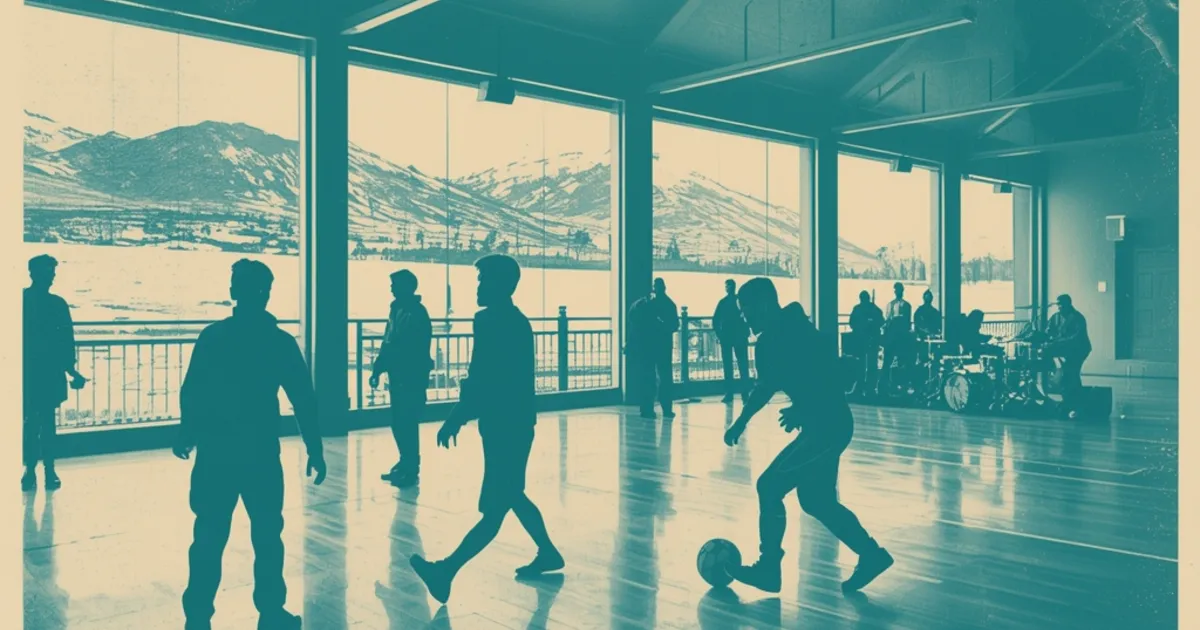
In 1998, 42% of Icelandic 15-year-olds had been drunk in the past month. Iceland paid for sport, music and art, and parents agreed on rules. Drinking fell.
Photo: IngimarE, CC BY-SA 4.0, via Wikimedia Commons
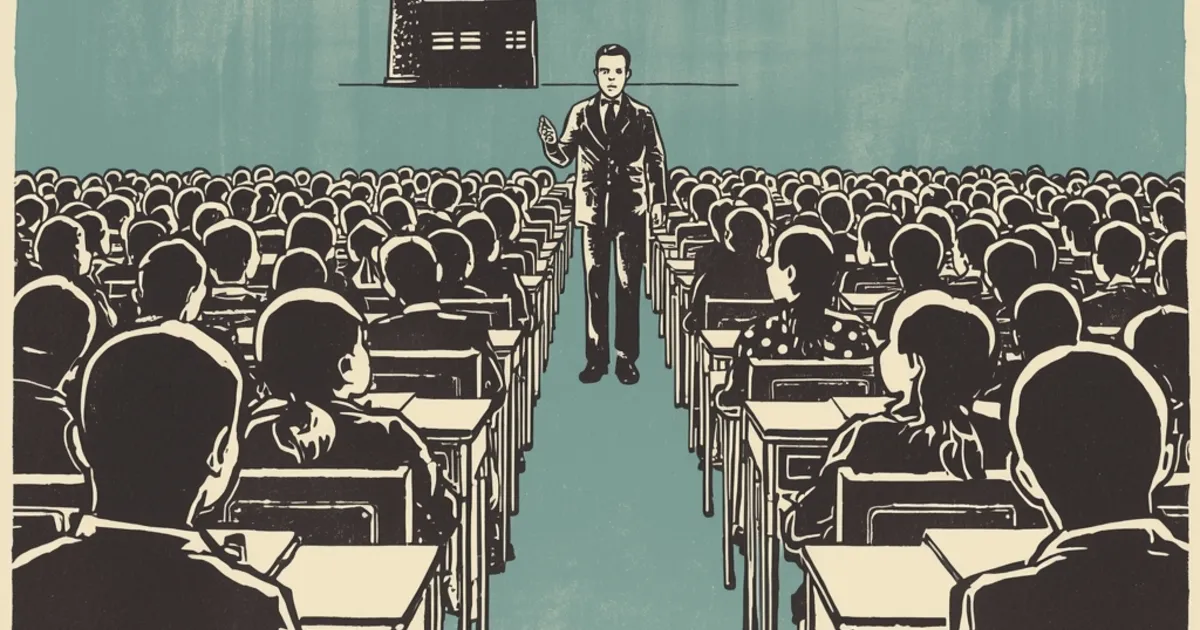
Compulsory schooling began in 1760s Prussia as a tool of royal authority. What that history explains, what it doesn't, and what the evidence says works.
Photo: Johann Peter Hasenclever, Public domain, via Wikimedia Commons
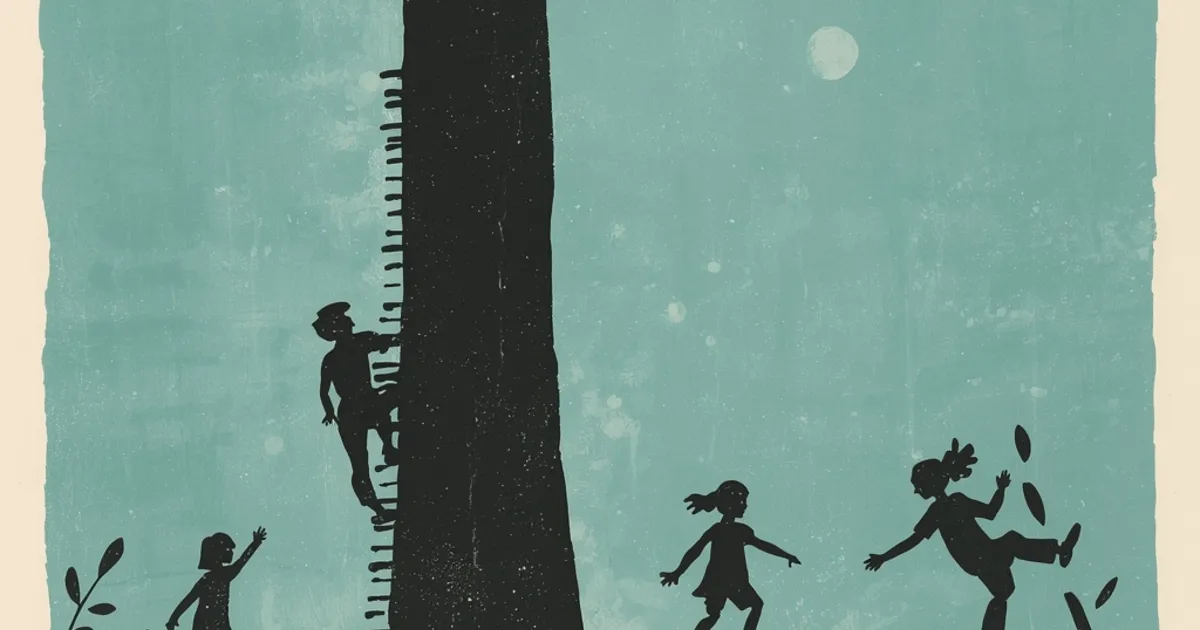
Climbing high, going fast, play fighting. The research says children who take small risks in play move more, get along better and are no more injured.
Photo: Rhododendrites, CC BY-SA 4.0, via Wikimedia Commons
Six in ten Australians were smacked as children. Decades of research find it doesn't improve behaviour and predicts more problems later.
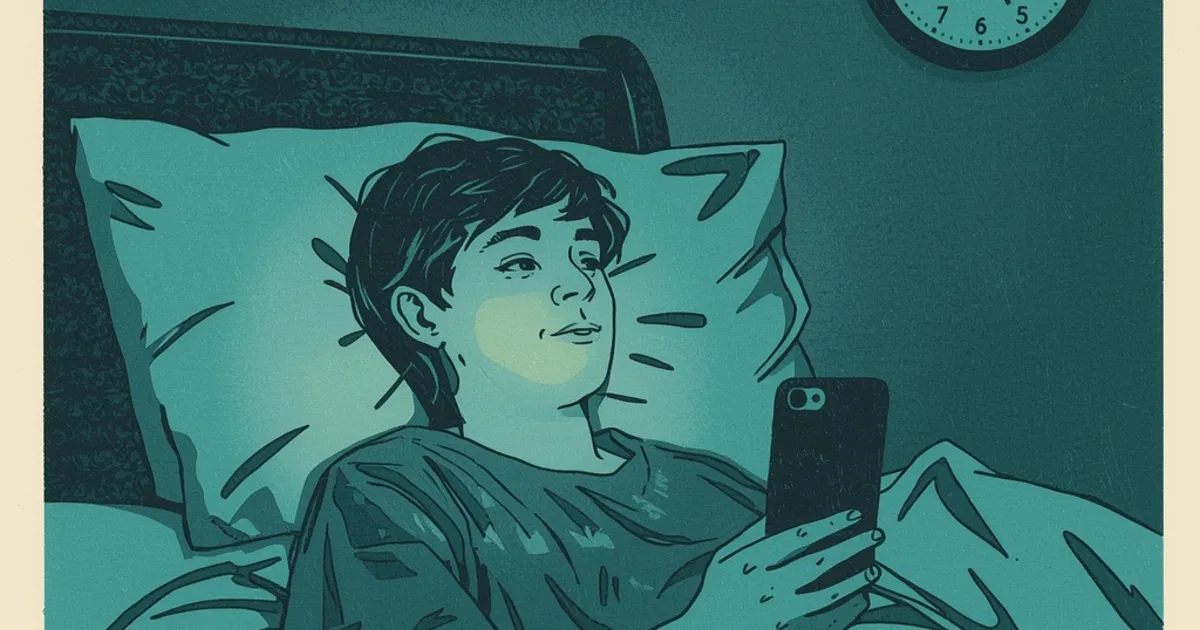
Teen distress rose sharply after 2010, as phones spread. What the research shows, where scientists disagree, and what parents can act on now.
Photo: Gauthier DELECROIX - 郭天 from Qingdao, China, CC BY 2.0, via Wikimedia Commons
Nothing matches that.



a.jpg)
.jpg)