Listing the causes of an accident is how safety experts find the truth. To an untrained listener it can sound like dodging blame. Four biases explain why.
Photo: NTSBgov, Public domain, via Wikimedia Commons
Small rewards can double blood donations or build kids' eating habits. A fine can make parents later, and cash can halve donors. What decides which.
Photo: Salem State University Archives and Special Collec from Salem, Massachusetts, CC BY 2.0, via Wikimedia Commons
A famous 1989 study had judges set bond nine times higher after thinking about death. Big replications since then paint a weaker picture.
Photo: Asteuartw, CC BY 4.0, via Wikimedia Commons
Decades of classroom research favour working together. A 2024 lab study found both lift performance, but only competition raised stress.
Photo: Georgia National Guard from United States, CC BY 2.0, via Wikimedia Commons
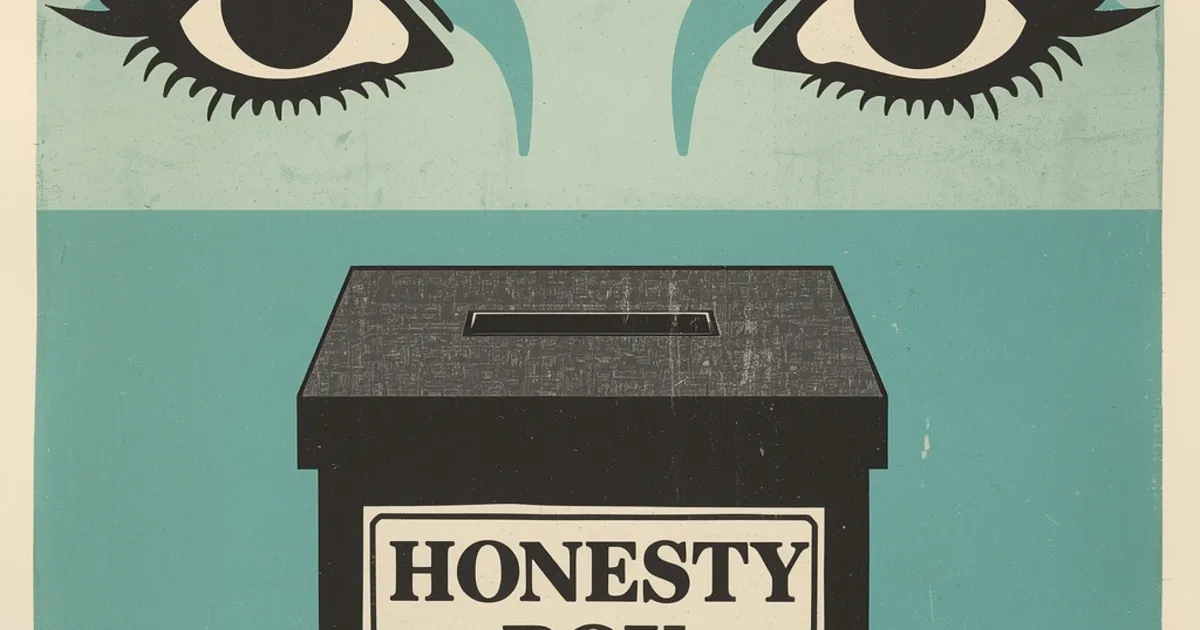
A photo of eyes nearly tripled payments in an office honesty box. Twenty years on, the effect holds for littering and theft, but not for generosity.
Photo: Kreuzschnabel, CC BY-SA 3.0, via Wikimedia Commons
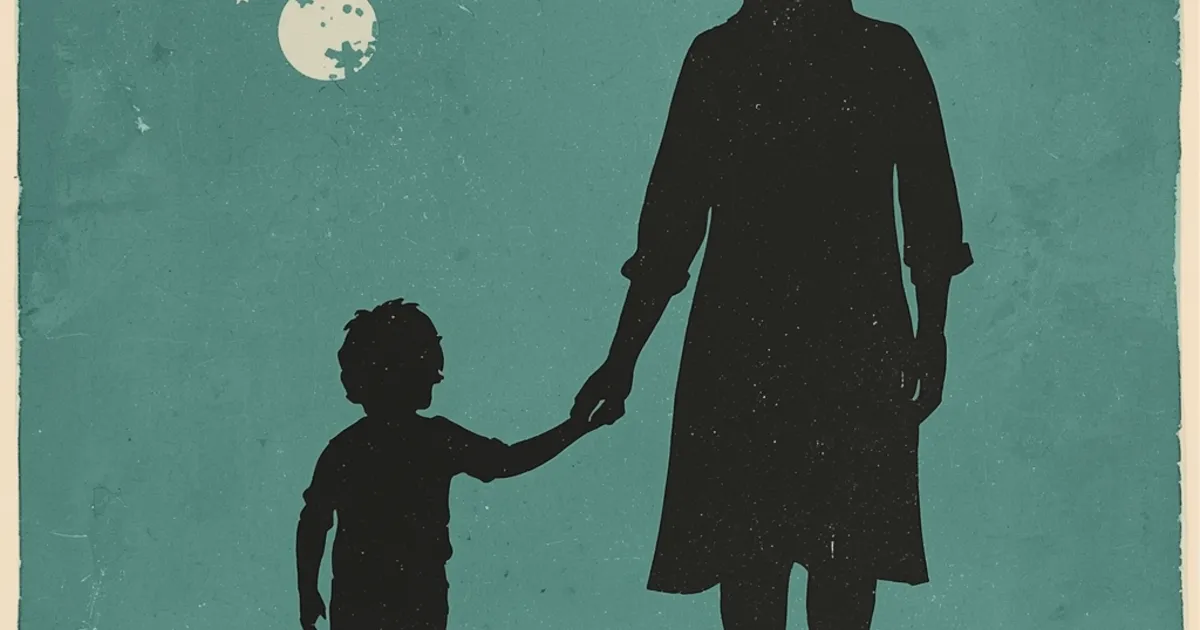
Adoptees lose their birth language fast. Brain scans and relearning studies show traces stay for years. What that says about nature and nurture.
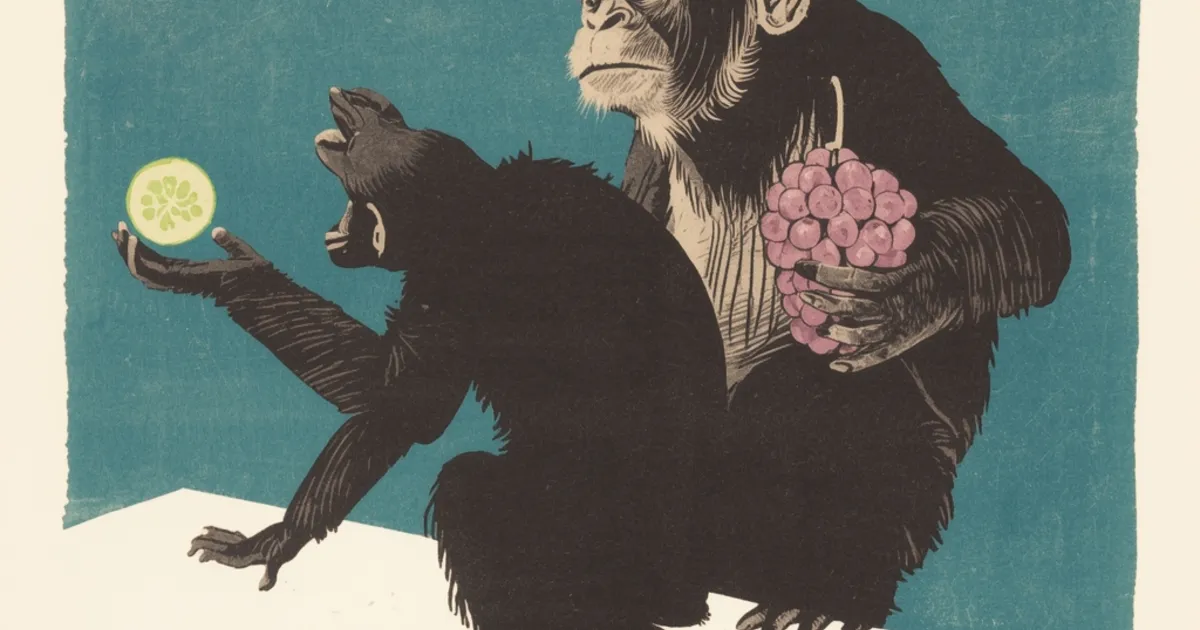
Capuchins, dogs and crows react when a partner gets a better deal for the same work. What the famous experiment shows, and where it stops.
Photo: David M. Jensen (Storkk), CC BY-SA 3.0, via Wikimedia Commons
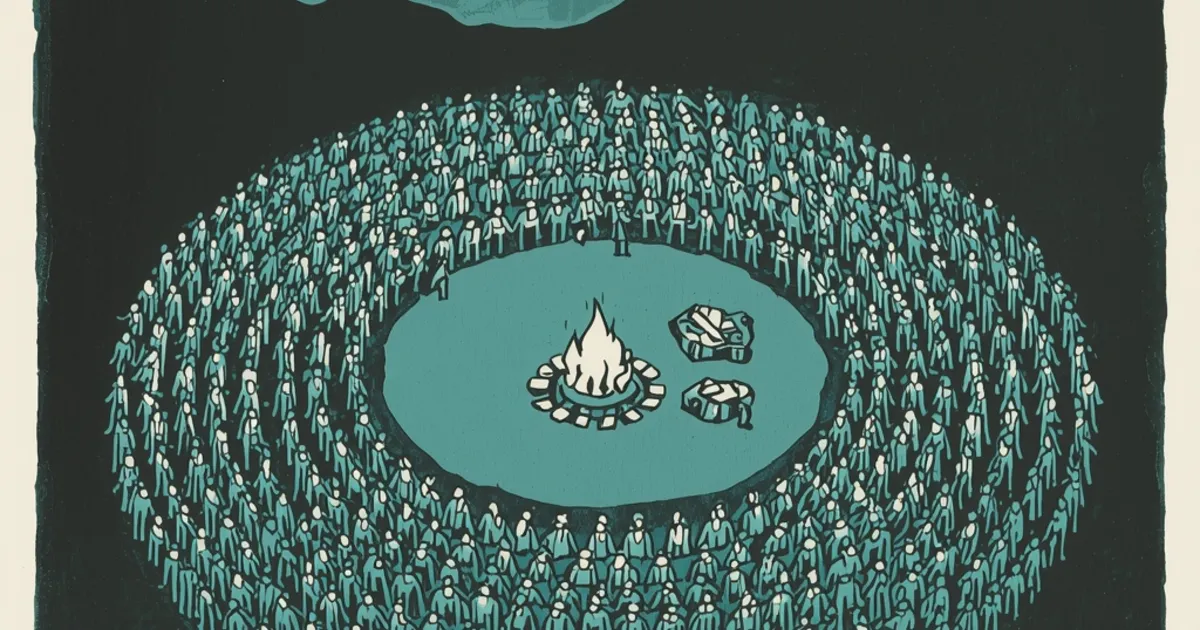
The 150 limit comes from a primate brain chart. A 2021 re-analysis found the data fit anything from 2 to 520. What the evidence does and doesn't support.
Photo: Festival della Scienza from Genova, CC BY-SA 2.0, via Wikimedia Commons
Nothing matches that.


.jpg)

.jpg)


.jpg)