A third of Finland's prison places have no walls. How Finland went from locking up more people than Australia to among the fewest, and who gets in.
Photo: Professor Caretaker, CC BY-SA 4.0, via Wikimedia Commons
New Zealand sends young offenders to a family meeting, not a courtroom. Ten trials show victims fare better and offenders reoffend less.
In 2001 Portugal stopped arresting people for using any drug and sent them to a health panel instead. HIV and overdose deaths fell. Here's what worked, and what's strained.
Photo: Alvesgaspar, CC BY-SA 3.0, via Wikimedia Commons
$5.45 billion a year: nearly two-thirds to law enforcement, under 2% to keeping people alive. Who gets arrested, and what Portugal and the ACT did instead.
Photo: Mike Knell from Zürich, Switzerland, CC BY-SA 2.0, via Wikimedia Commons
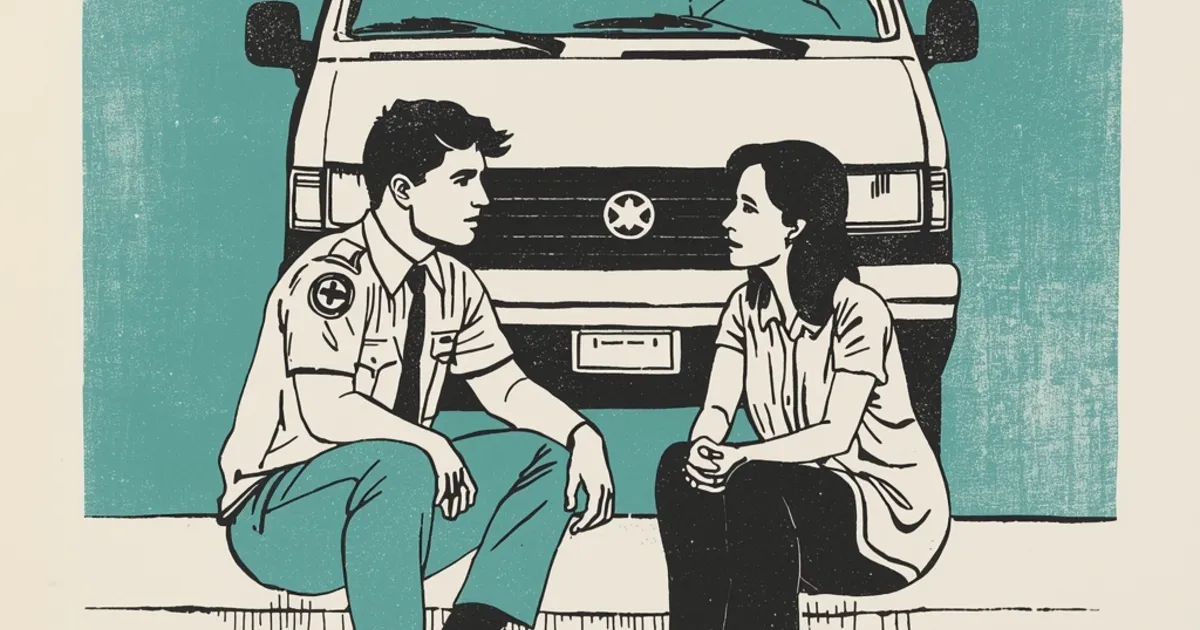
Eugene, Denver and Australian co-response teams send health workers to mental health calls. What the evaluations found, and what they did not.
People often play down time inside. Death rates, trauma and reoffending after release tell a different story, and Norway shows another way.
Photo: Frmir, CC BY 3.0, via Wikimedia Commons
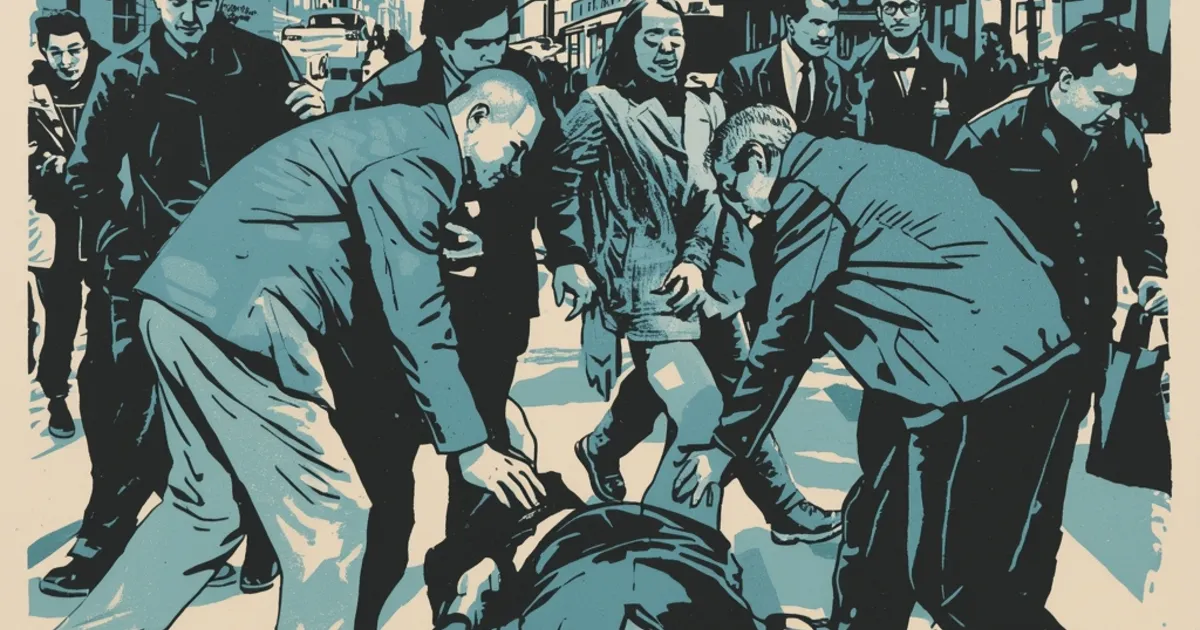
Real CCTV footage says no: someone steps in to nine in ten public fights. Where the "bystander effect" came from, when it holds, and how to help safely.
Photo: µKöff, CC BY 4.0, via Wikimedia Commons
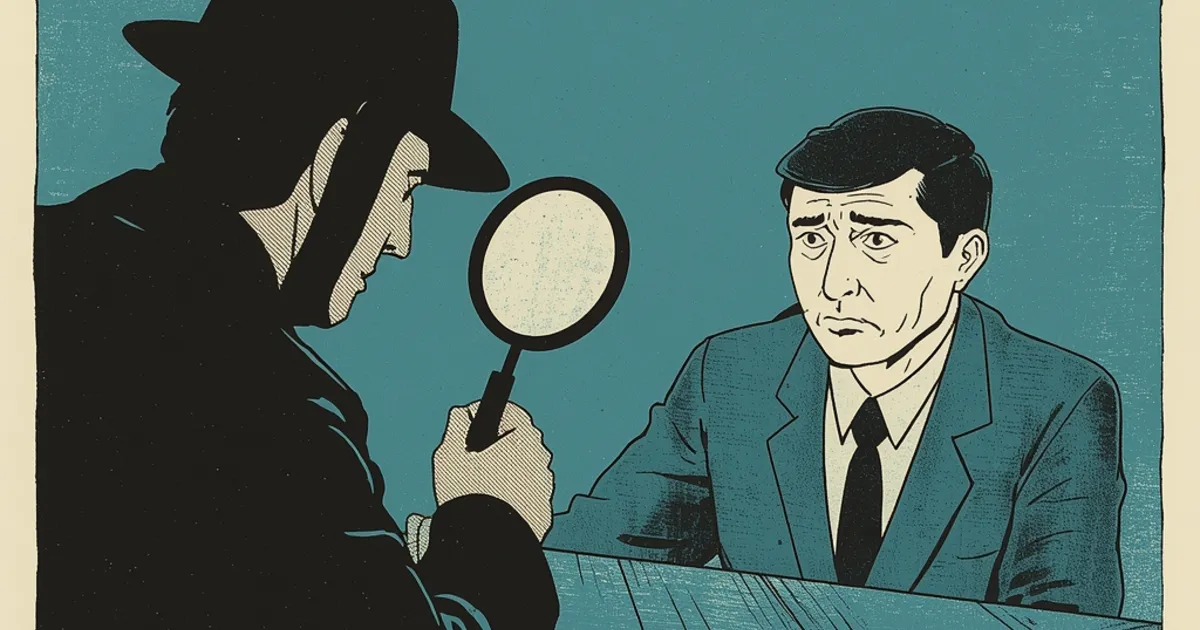
Barely better than a coin toss, and trained officers do no better than anyone else. What the research says, and why truthful people get caught out.
Photo: Ed Westcott, Public domain, via Wikimedia Commons
Nothing matches that.