Would a zookeeper pass the way we live?
When a polar bear swam in figure eights, the zoo inspected his life. Scored the same way, the places people live and work fail on 17 of 18 measures.
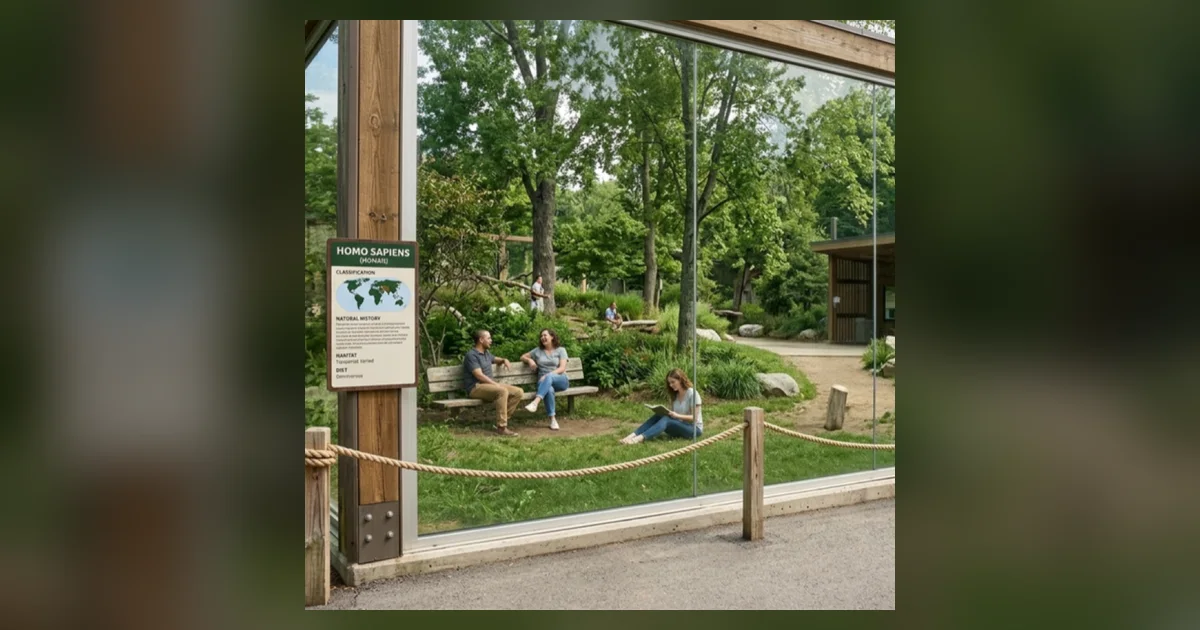
Cover of The Human Enclosure (Omxus Press)
8 min read
 articleworld4u
Health. Sleep, movement, feet, gut and mood: how the body works and what wears it down.
When a polar bear swam in figure eights, the zoo inspected his life. Scored the same way, the places people live and work fail on 17 of 18 measures.
Cover of The Human Enclosure (Omxus Press)
In 2008 Denmark began paying night workers with breast cancer. Sleep advice still blames your habits. In a US sample, the job predicts who sleeps too little.
Cover of The Stolen Night (Omxus Press)
Twenty years of American time diaries show young people's time with friends fell from 137 minutes a day to 51, and the hours went to being alone.
Art: Omxus Press
Upstream settlers took a river from the Pima, and their relatives over the border have a fifth of the diabetes. What we call ageing is partly a report on the feed.
Cover of Applebee's Report (Omxus Press)
A gorilla lived alone with a television for 27 years, fed and safe. Then a zoo read his species file. Nobody has ever written that file for us.

Cover of Sanctuary (Omxus Press)
Gut bacteria from depressed people gave healthy rats depression-like behaviour. Almost half of depressed adults carry high inflammation. What if depression is the body telling the truth?
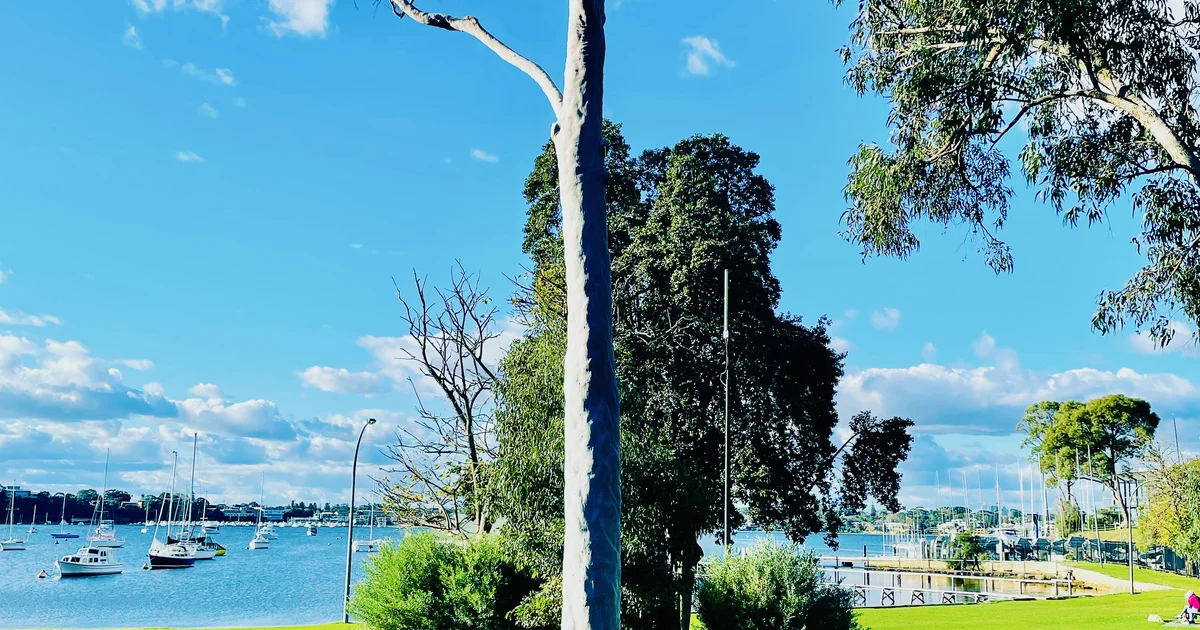
Photo: A. C. Applebee
In the 1995 Chicago heatwave, two neighbouring suburbs had a tenfold gap in deaths. Fifty years of one survey question shows what trust is made of.
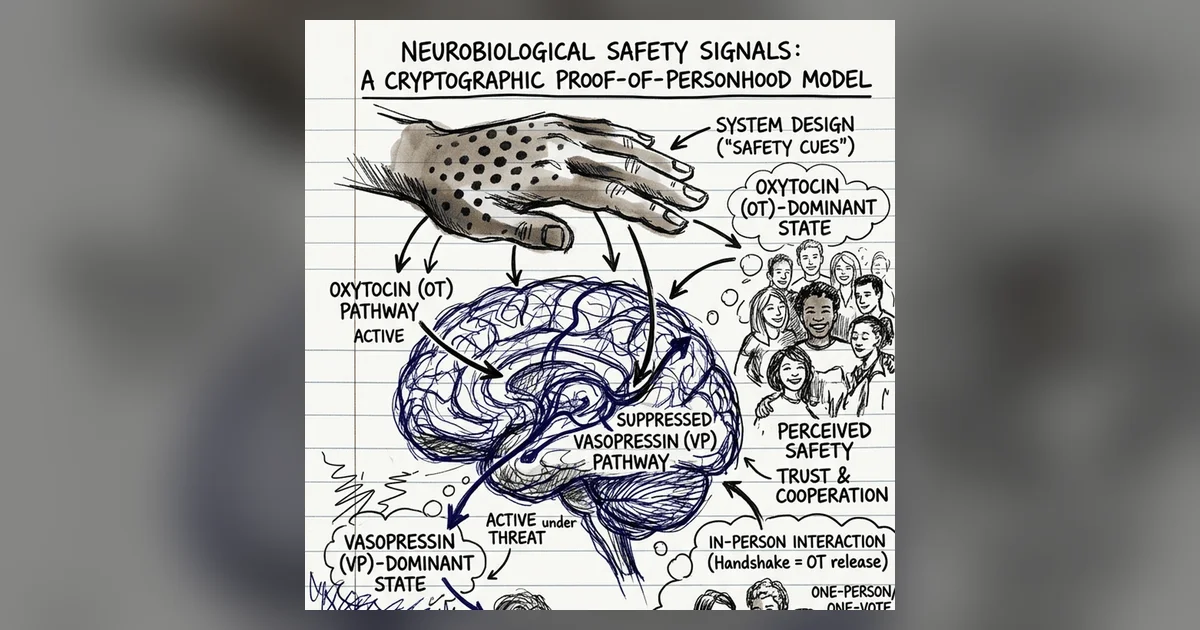
Cover of Neurobiological safety signals (Omxus Press)
On Kitava, doctors found no acne in 300 young adults. In 1902 twelve young men ate preservatives for science. Who should prove food is safe?
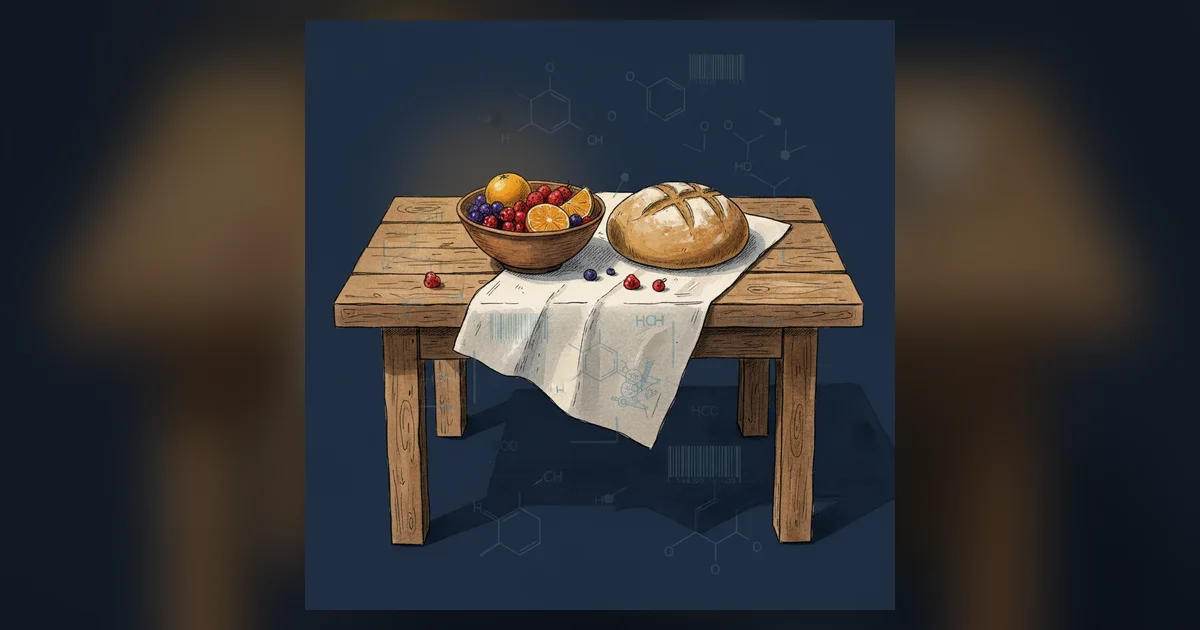
Cover of Reversing the Burden of Proof in Food Safety (Omxus Press)
Australia's federal government lists 1,371 bodies. Read against the twelve things a person needs, two in three name none of them, and the need every theory puts near the top has two bodies, neither working on it.

Photo: A. C. Applebee
A survey of 4,273 adults shows chronic inflammation climbing as income falls, and smoking and weight explain only a quarter of it. A hard life gets into the body.
Art: Omxus Press
A national balance test shows how much standing depends on the soles of the feet, and why thick soft shoes and blank floors cost older people most.

Art: Omxus Press
Frightened, traumatised and autistic people can look like liars. No scanner can sort them out, and a sentence about the brain persuades far beyond its evidence.
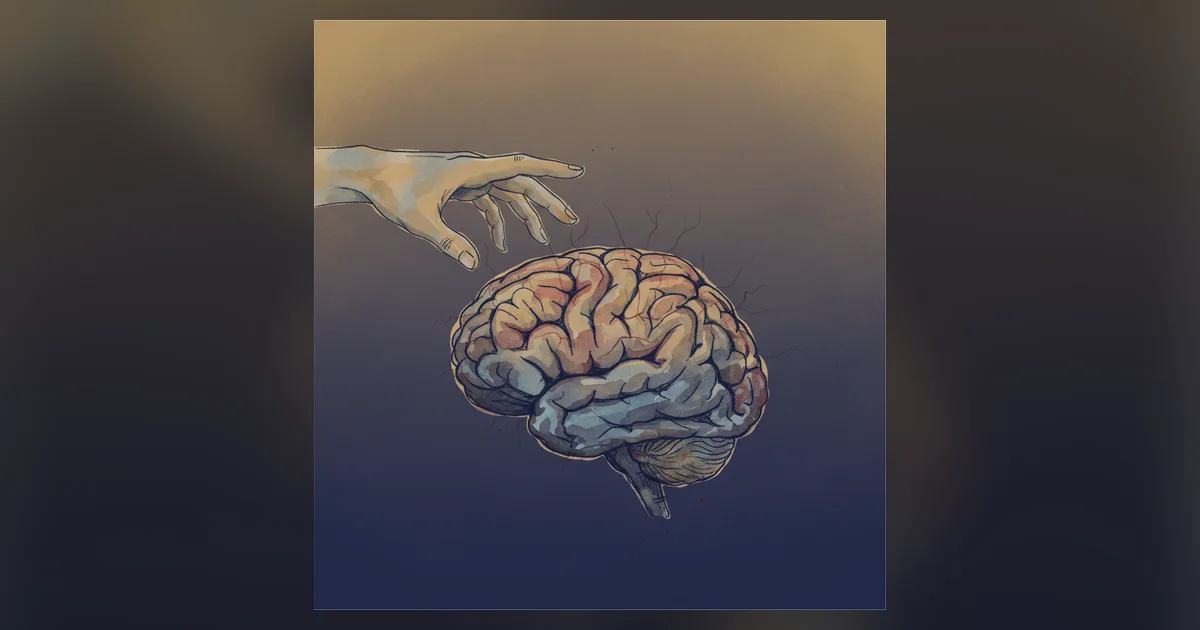
Cover of The Brain Under Duress (Omxus Press)
Every mammal plays, and in rats taking play away changes the growing brain. Children who play hard every day carry half the odds of anxiety and ADHD. We built a childhood without it.
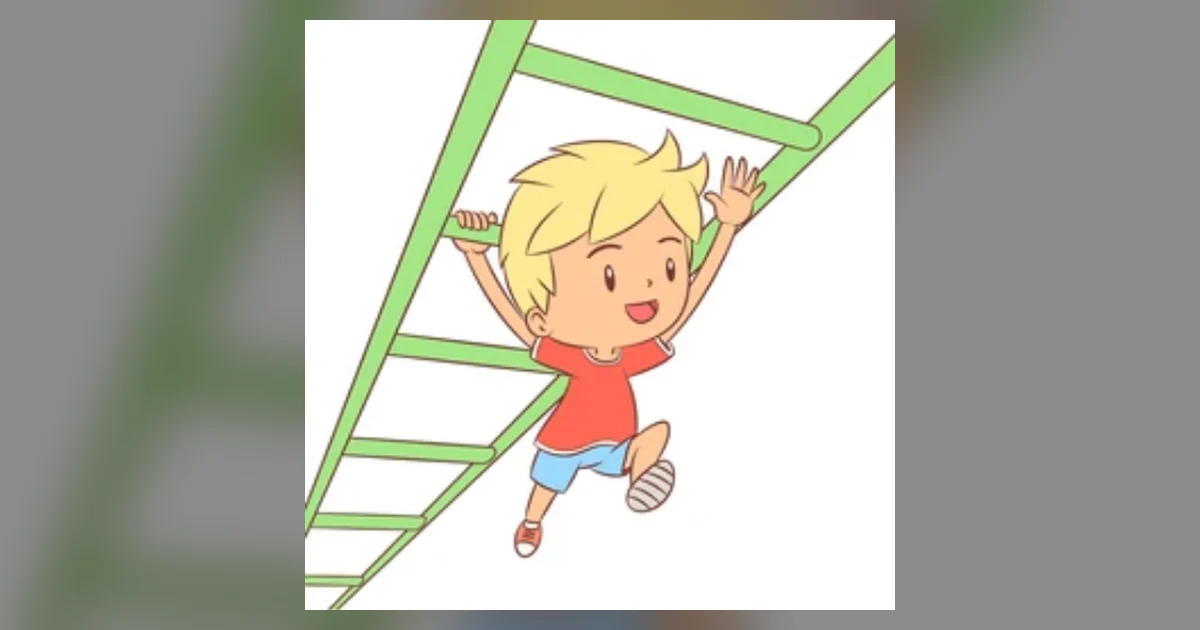
Art: Omxus Press
A polar bear in Central Park swam figure eights for hours, so they gave him Prozac and toys. What happens if we look at our own enclosure?
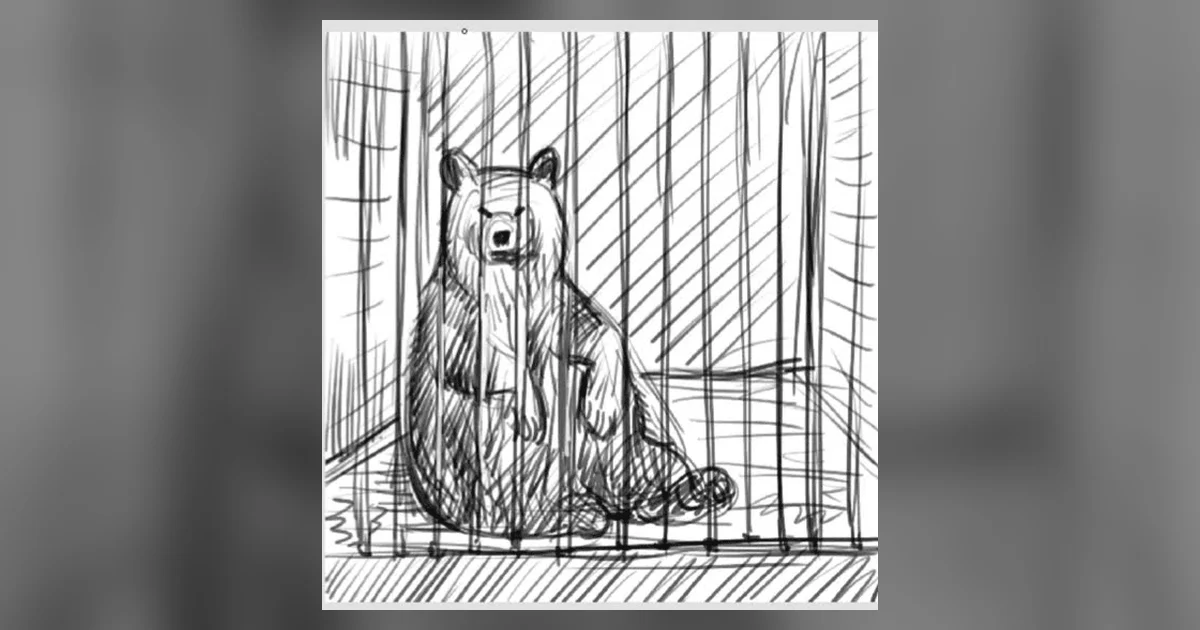
Art: Omxus Press
A town with few heart attacks, until its close ties wore away. What being alone does inside the body, and what turning up does.
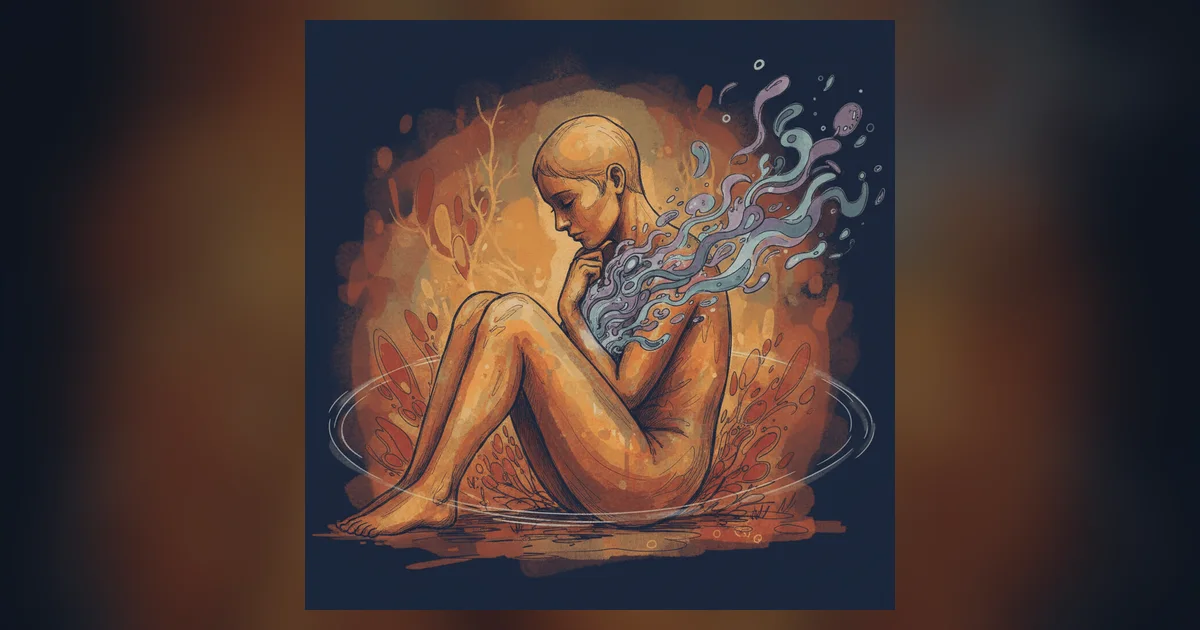
Cover of The Physiology of Loneliness (Omxus Press)
London bus conductors had less heart disease than their drivers. Sitting is deadly only where movement is missing, and that movement needn't be exercise.

Art: Omxus Press
England pays link workers to send patients to choirs and clubs. Australia invented the men's shed. What the evidence says, and what could come next.
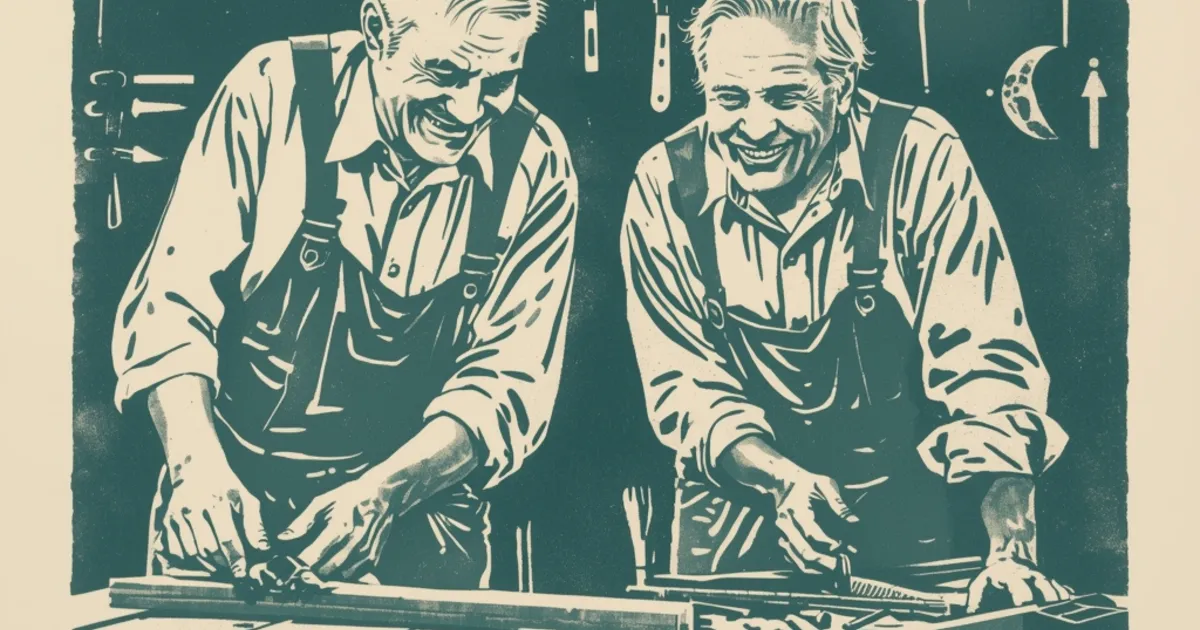
Photo: Mark Thomson, CC BY-SA 4.0, via Wikimedia Commons
One view says 90% of cancer is preventable; the WHO says 30 to 50%. Both rest on real research. Why they differ, and what Australia has already prevented.
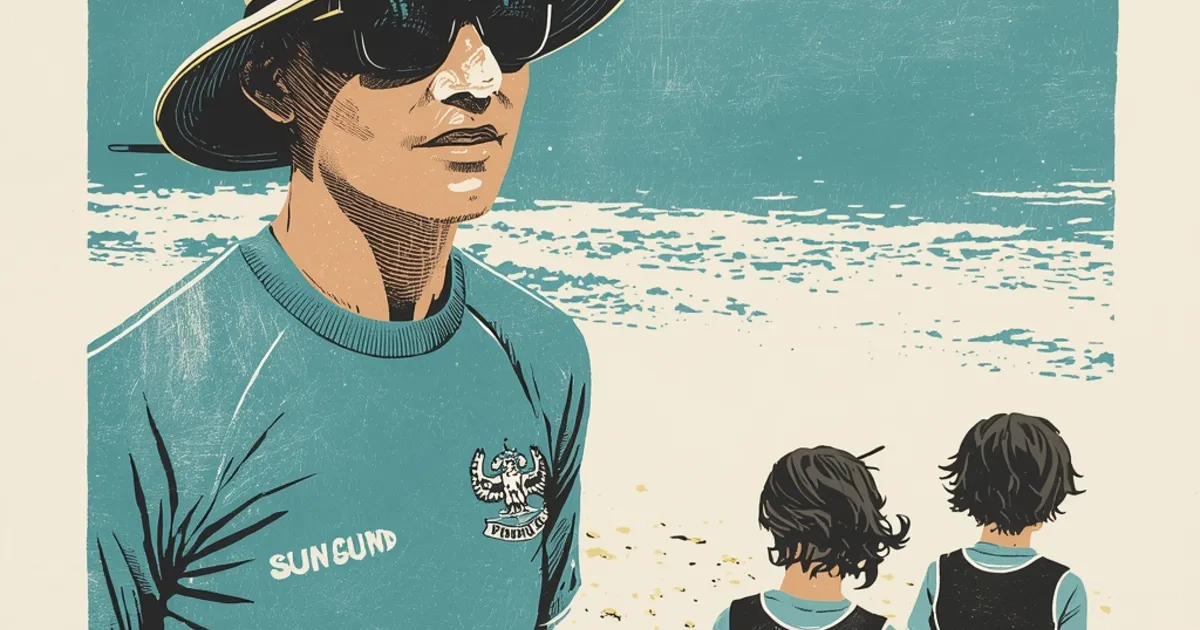
Photo: Wolfmann, CC BY-SA 4.0, via Wikimedia Commons
In 1972 Dutch roads killed hundreds of children a year. Parents took to the streets, and the country rebuilt its roads around them. Now 3 in 4 teens ride to school.
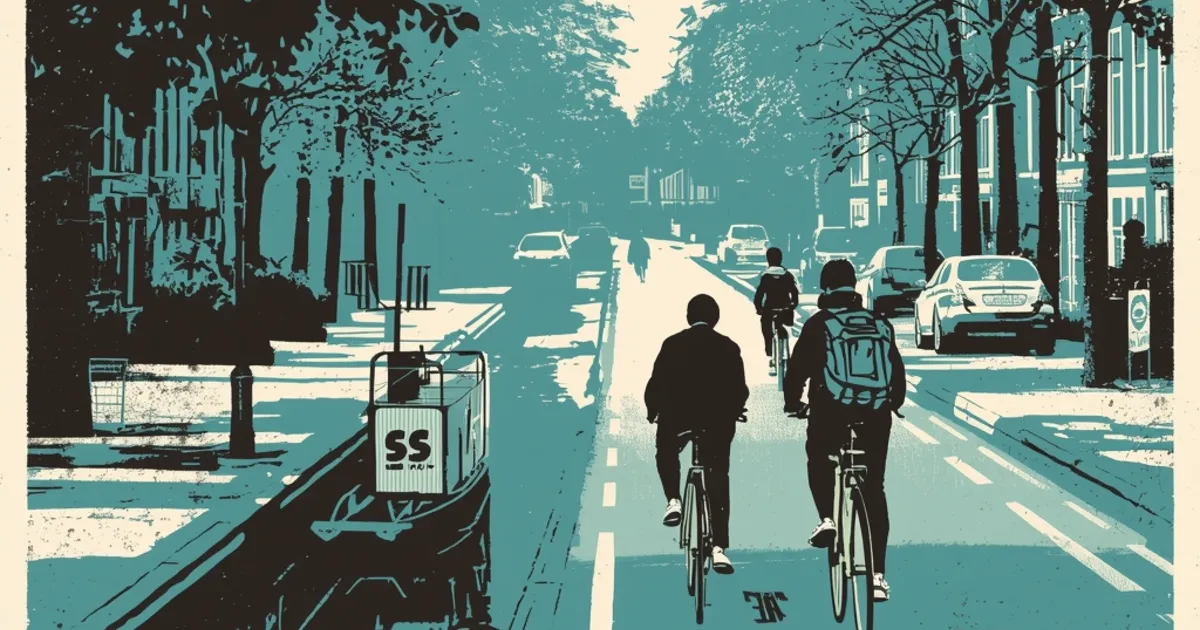
Photo: Rob Mieremet / Anefo, CC0, via Wikimedia Commons
Two economists designed it, a joint sitting passed it 95 to 92, a new government took it apart, and unions traded pay rises to bring it back.
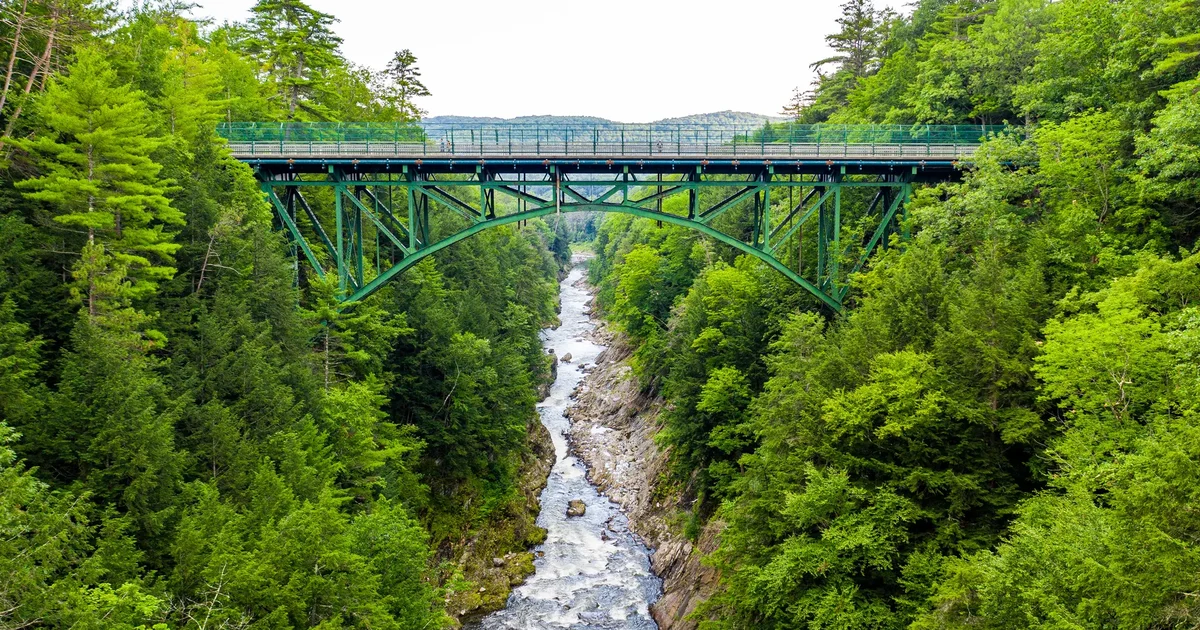
Art: Omxus Press
Japan told its workers to bathe in forests in 1982. The research since agrees: lower blood pressure, faster recovery, better health from two hours a week.
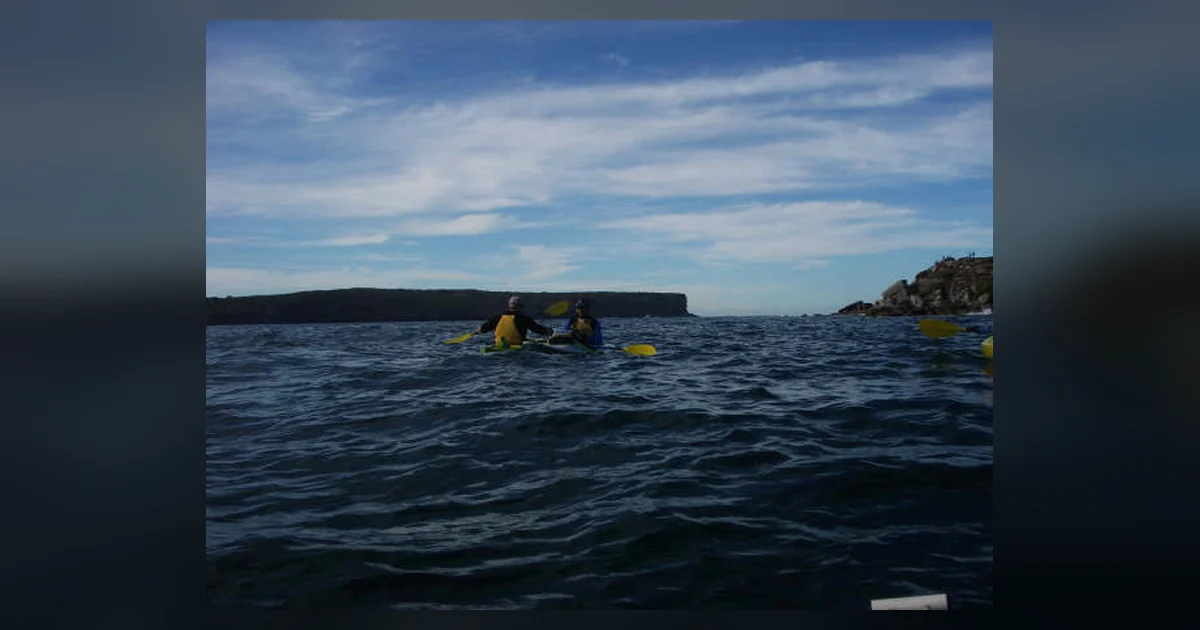
Photo: A. C. Applebee
Half the world may be short-sighted by 2050. Trials show more time outdoors cuts new cases in children, whatever they do there.
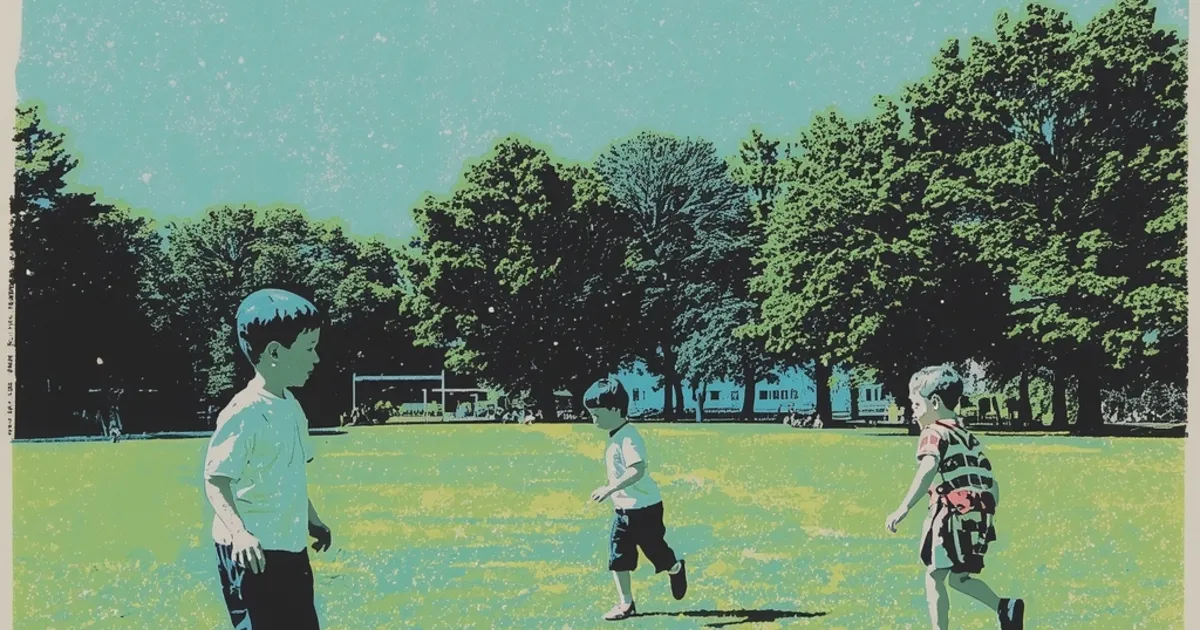
Photo: Beendy234, CC0, via Wikimedia Commons
Across millions of people, loneliness and isolation raise the risk of early death by about a quarter. What it does to the body, and what helps.
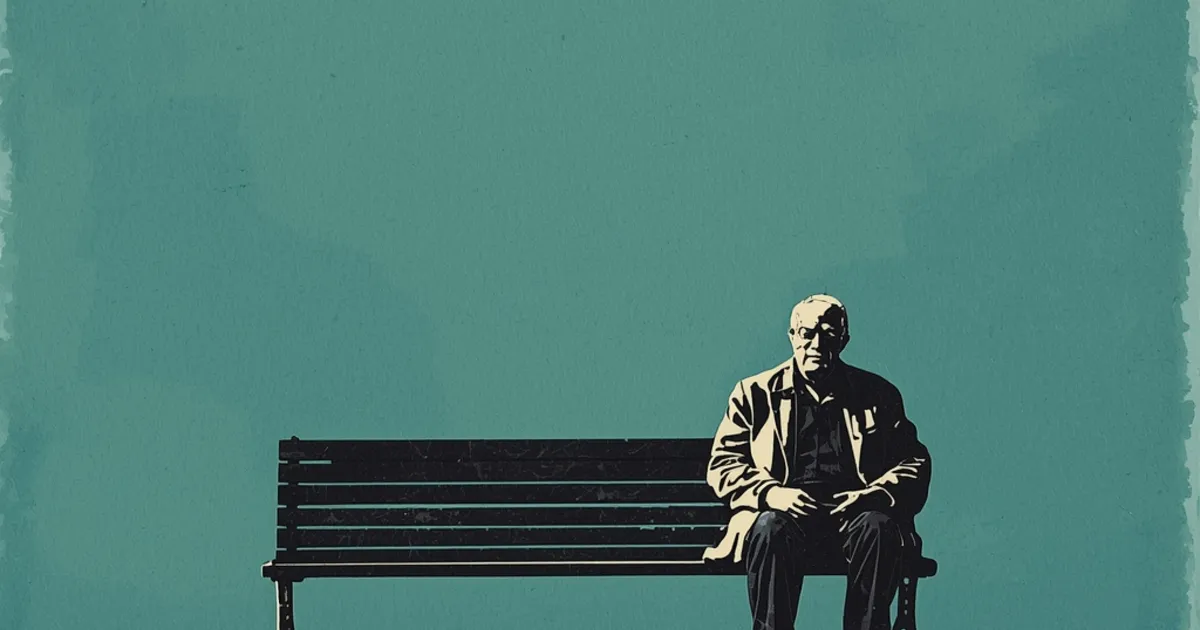
The "chemical imbalance" story is too simple. A quarter of people with depression have raised inflammation, and diet and exercise ease symptoms in trials.
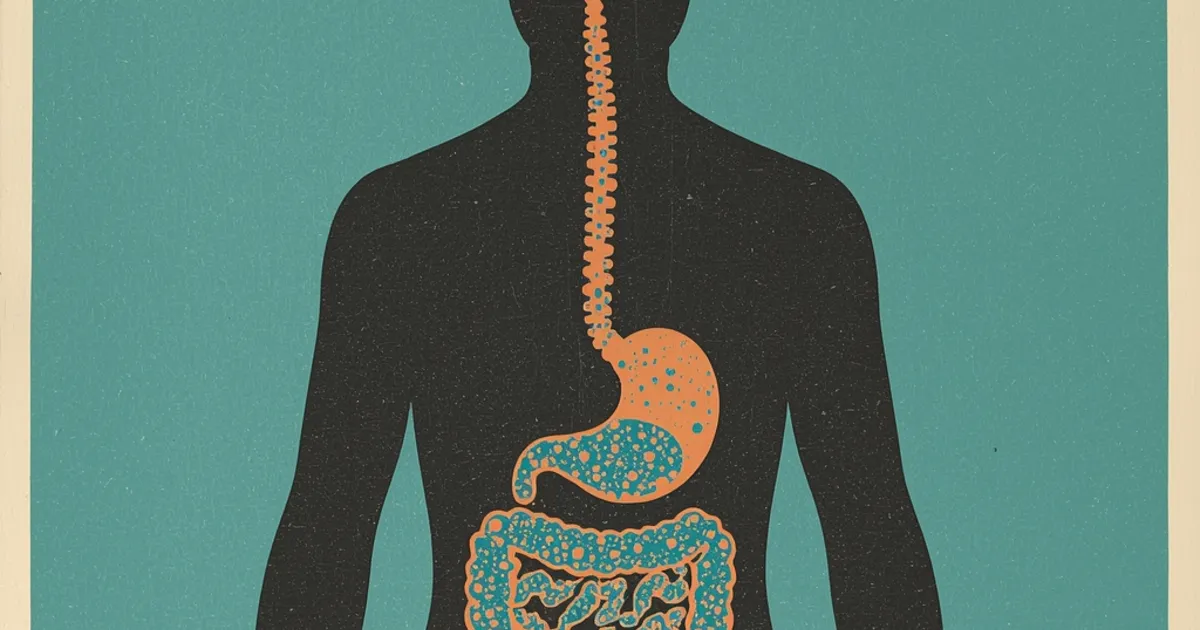
Photo: Dotodot, CC BY-SA 4.0, via Wikimedia Commons
Experts say seven hours or more; hunter-gatherers get about six and a half. Why both are true, and why the timing of sleep matters as much as its length.
A study of a million adults found about an hour of moderate activity a day cancels the extra risk of sitting eight hours. What counts, and why steps matter.
Photo: Angelina Archer from London, UK, CC BY 2.0, via Wikimedia Commons
When Britain took the poison out of its gas supply, total suicides fell by a third. Fifty years of evidence says removing the means saves lives.
Photo: Frank Schulenburg, CC BY-SA 4.0, via Wikimedia Commons
People who grow up barefoot have stronger arches and fewer flat feet. What the studies show, what they don't, and how to change shoes without getting hurt.
Photo: Yottanesia, CC0, via Wikimedia Commons
Nothing matches that.


